
Google core update Black Friday — what buyers must do now
What happened
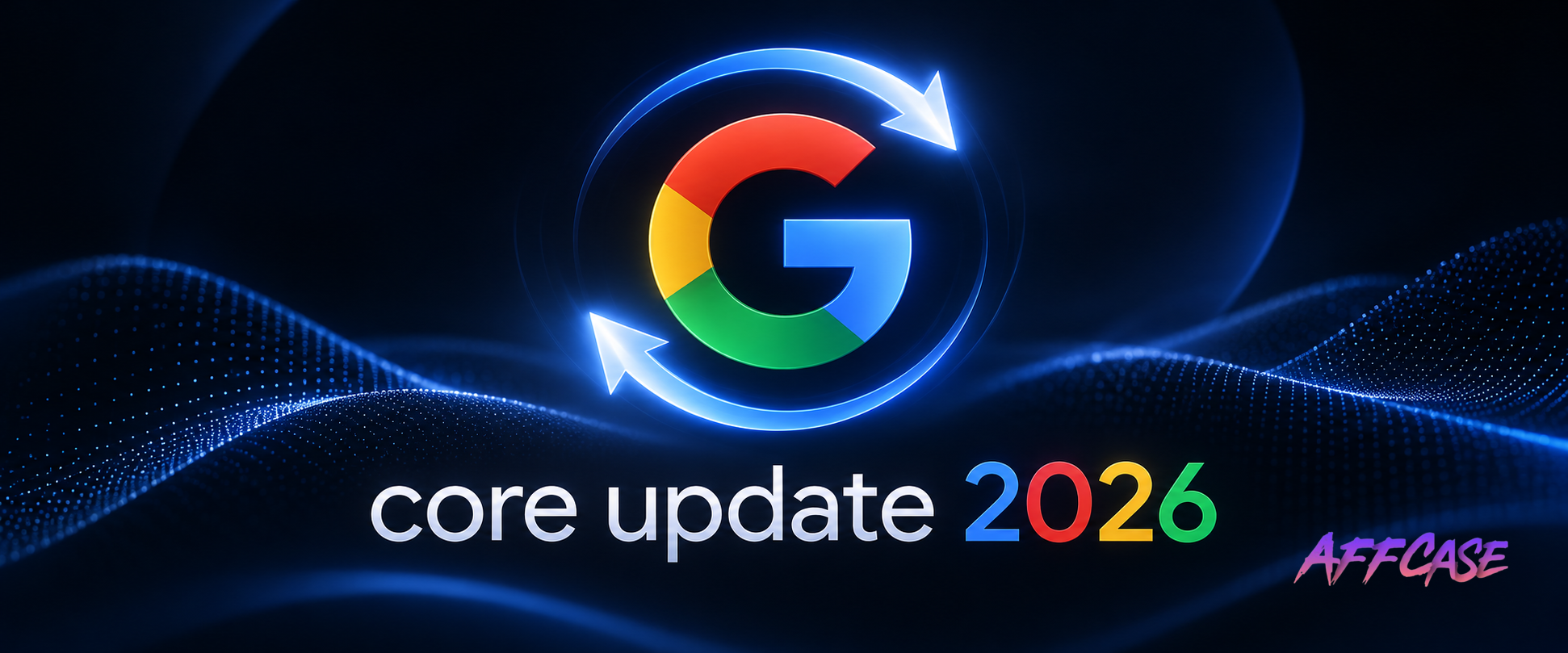
Google core update Black Friday: Google started the November 2026 core update on November 10 — a global roll‑out across all languages that may take up to two weeks. This is the third large core update in 2026 after the March (Mar 27–Apr 8) and May (May 21–Jun 2) updates. Google announced the rollout on LinkedIn and reminded that core updates are normal maintenance to improve relevance.
Why this matters for a buyer and iGaming specialist
- If the rollout runs the full two weeks it will finish on November 24 — just three days before Black Friday. Ranking shifts coinciding with peak demand can distort test results and ROAS.
- Historical pattern matters: November core updates in 2024 and 2023 lasted almost 24 and 26 days respectively, so a prolonged rollout is realistic.
- Search Console logged an issue that underreported impressions on Nov 9–11 — those were the first days of the rollout and make baseline analytics trickier.
- Google recommends waiting at least one week after rollout completion before comparing Search Console data — and you might not have that luxury before promotions.
Immediate action plan — what to do right now
- Stop major site changes
- Don’t launch redesigns, mass content edits, URL changes, or page relocations while the rollout is ongoing. Any site change will make it hard to tell whether a ranking shift is caused by Google’s update or by your edits.
- Lock in your baseline (pre‑Nov 10)
- If you already have a campaign in a rank tracker, check saved positions and export them for the state before Nov 10. If you don’t have a tracker campaign, create one now — but remember a new tracker only collects data from the moment of creation. For historical baseline rely on Search Console.
- For position tracking consider SE Ranking. For post‑click analytics use RedTrack; for server/offline feed situations keep a Binom instance: Binom.
- Monitor SERP volatility
- Use Semrush Sensor or similar volatility metrics to see if your position changes match market‑wide movement. Semrush reports volatility on a 0–10 scale by country, device and category.
- If a single query “flies” while the market is stable, investigate that query specifically in Search Console and for poisoned results from automated scraping.
- Preserve logs and impressions
- The Search Console logging issue (lowered impressions on Nov 9–11) can skew first conclusions. Export and store server logs and tracker data now for cross‑checking.
- Don’t scale traffic blindly
- Hold off on aggressive budget increases for new bundles or GEOs until rankings stabilize. If a campaign shows growth, wait 7–14 days after the rollout completes before scaling, following Google’s guidance.
- After stabilization — compare winners and losers
- When the SERPs calm down, list pages that rose and fell. Look for shared patterns: landing structure, content type, presence of references (affecting AI Overviews), mobile UX, and speed.
- Track AI Overviews and references
- Google hasn’t clarified how the update affects AI Overviews. Monitor how often your pages are cited (references) alongside organic metrics.
Checklist before launching promos or increasing budgets
- Exported positions as of Nov 10 (Search Console + rank tracker)
- Paused major site changes
- Enabled volatility monitoring (Semrush Sensor or equivalent)
- Archived server logs for cross‑checks
- No budget scaling until rankings stabilize
If the rollout takes two weeks, major ranking changes will coincide with Black Friday — don’t panic, don’t change the site in the heat of the moment. Observe first, then analyze.
Short tool notes and controls
- Position and rank tracking: SE Ranking.
- Post‑click and deep analytics: RedTrack and Binom.
- If your funnel includes client apps or you need an antidetect setup, check profiles and settings ahead of time — see the guide How to Choose an Antidetect Browser.
FAQ — real questions buyers ask
- Will the update finish before Black Friday?
If the rollout runs the full two weeks it will finish on Nov 24. Google does not guarantee timelines — past November rollouts have lasted up to ~24–26 days.
- Can I compare Search Console data during the rollout?
Google advises waiting at least one week after the rollout finishes before making comparisons. During rollout metrics can be distorted — plus Search Console had a logging issue on Nov 9–11 that lowered impressions.
- What if traffic to landing pages drops right before the sale?
Don’t rush into big content fixes. Freeze changes, export metrics, check server logs and trackers, and correlate the drop with overall SERP volatility (Semrush Sensor). If the drop is isolated, dig deeper into the specific pages and queries.
- Should I pause traffic scaling or targeting increases?
Yes — recommended to pause aggressive budget growth until rankings stabilize. Otherwise you risk paying for traffic that may shortly decline.
- Does this affect iGaming offers differently than retail?
Fundamentally the update affects ranking signals the same way, but highly competitive verticals with fast ROI (like iGaming) are more sensitive to short‑term ranking shifts. Watch CPL/CPA closely and avoid scaling without confirmed conversion stability.
What next
Keep monitoring the rollout and use Search Console as the official baseline, but rely on trackers and server logs for operational decisions. If you need to start with a tracker or post‑click tool, begin with SE Ranking and RedTrack.